How to Sell a Used Car Quickly in Pakistan: 10 Proven Steps
Prep it, price it, answer fast, and close it properly — a step-by-step plan for selling your own car without wasting a month
Why used cars take so long to sell in Pakistan
Selling a used car privately in Pakistan is slow for three boring reasons: most listings are half-prepared, most sellers price above the market and then negotiate down from an inflated number, and most sellers let enquiries rot for three days before replying. None of that is the buyer's fault. It is the three things you can fix this week.
This guide is about speed — getting the right buyer in front of the car, and closing them, without wasting a month. It is written for an individual owner selling their own vehicle. If you want the opposite — a carefully optimised advertisement, and the full 2026 paperwork detail — read our guide to selling your used car with a better ad instead.
Here is the sequence, in the order that actually moves a car.
1. Get the car genuinely clean — inside and out
This is the single highest-return hour of work you will do, and almost nobody does it. A buyer forms an impression in about three seconds, and a dirty cabin is the fastest way to lose one before they have seen anything else.
- Wash the exterior properly, not just a bucket and a sponge.
- Clean the interior properly — that means the headliner, the seats, the boot floor and the gaps under the seat rails, not just a vacuum.
- Remove anything personal. Family photographs in the sun visor, a name-tagged prayer mat, a dashcam with your home route still saved.
- A polish or wax before the photos is worth it. It shows up immediately in daylight pictures.
Nobody wants to be handed a car that smells stale. It is the cheapest credibility you will ever buy.
2. Get a mechanic to check it, and fix the cheap things
Take the car in before you list it, not after a buyer arrives. Ask for two things: anything safety critical, and anything cheap that changes how the car feels.
- Cooling system. If you are selling between March and September, a cooling system that works is not optional. Leaks, coolant level, radiator condition, fan working. Nobody wants to buy a car that overheats in the first week of ownership.
- Brakes, tyres and battery. Three things buyers check without being asked.
- Oil leaks or odd noises. Find them now, while it is still your problem and your cost.
Spend money only where it moves the sale. A recent service receipt is worth more to a buyer than a cosmetic detail, because it is evidence you cared for the car. If you decide not to fix something, say so in the ad. A disclosed fault is not a lost sale — it is a smaller pool of buyers who will actually go through with it.
3. Fresh oil, and hand over the service file
Do not sell a car with old oil in it. Buyers who open the bonnet and see thick, dark oil assume nothing else on the car was maintained either, and that assumption is expensive for you.
Change the engine oil before you list, keep every receipt, and hand the file over with the car. If you have no service history, say that honestly rather than implying you have one.
4. Complete the toolkit before you sell
More second-hand cars leave their owners without a working spare and a wheel jack than you would think. Check and include:
- The wheel jack and wheel spanner, and they actually work
- A spare tyre with usable pressure
- All wheel nuts present and not rounded or seized
It costs almost nothing to fix and it prevents an instant, humiliating walkout on the motorway. Hand it over with the car.
5. Price for speed, not for the maximum
Every day of delay costs you money in depreciation and running costs. If you need the money, price for a fast sale rather than a perfect one.
- Check what the same car, same year, similar mileage is listed at. Compare the actual listings, not a dealer appraisal — dealers routinely quote below the private market to leave room.
- Pricing to the highest similar car is the aspirational price, not the market price. It attracts tyre-kickers.
- Set the number you would accept at a serious viewing, and be willing to negotiate from there.
- List any aftermarket additions — seat covers, alloys, sound system, projector headlights — because they justify your price to a buyer who values them.
Pakistani buyers read prices in lacs and crore, so lead with a figure they can compare at a glance. You can browse comparable cars by make on our used cars section to sanity-check your number.
6. Have the paperwork ready before anyone asks
The sale that stalls is the one where documents are missing. Before you post, have these to hand:
- Registration Certificate or smart card, with token tax paid and up to date
- CNIC copies — yours, the buyer's, and your witnesses
- Transfer Order (T.O.) form, Form F, and the original Registration File if your car was registered under the File Return Scheme
- Bank NOC if the car was financed or on lease
- Service records and receipts
- A signed sale agreement or bill of sale
Requirements differ by province — Islamabad and Sindh handle biometrics and CNIC copies differently — and the FBR charges advance tax on transfer on top of the provincial fee. We have published the exact current figures, rates and forms in our complete guide to selling a used car in Pakistan, so read that before your first viewing. Do not let a buyer discover a missing document at the counter.
7. Post with hero photos, then boost for the first week
Your first photo decides whether the ad gets read. Shoot it in daylight, clean, from a front three-quarter angle. Add the other corners, the interior, the engine bay, and a clear shot of every fault you disclosed.
Speed comes from visibility in the first few days, when a listing is fresh and most likely to be seen. Boosting is the cheapest way to buy that window. A featured listing costs 400 Zaps and an urgent badge 150 Zaps — see how Zaps work.
When you are ready, start your listing here. If you are selling several cars, a dealer account keeps your stock together on one showroom page.
8. Reply in minutes, not in days
On classifieds, the first seller to respond usually gets the car. This is the biggest lever you have and it costs nothing.
- Reply to every message, even if it is only "yes, still available — when would you like to see it?"
- Answer WhatsApp messages quickly and move the conversation to a viewing time.
- Send extra photographs on request rather than describing condition in words.
- Be firm on what is not negotiable so you do not waste an evening.
Enquiries that go cold on day two are effectively lost. A seller who replies within minutes on day one beats a seller with better photos.
9. Run viewings that convert
- Meet in a public, well-lit, easy-to-find place — a petrol station or a busy commercial area, not a narrow lane.
- Arrive with the car clean and the paperwork with you, not scattered at home.
- Let them inspect and take a test drive. Refusing reads as fear, and confident sellers get better offers.
- Answer every question politely, including the awkward ones. This is not the last buyer you will deal with.
- Bring someone with you. It is calmer, safer, and harder to pressure.
10. Close properly — and never on an open transfer letter
This is where inexperienced sellers lose real money.
- Prefer payment in full, in cash or by pay order. Avoid instalments or post-dated arrangements — that is exactly how fraud works.
- Never hand the car over on an open transfer letter. Until the transfer completes, the vehicle is still registered in your name, which means traffic challans, accidents and even a stolen vehicle can come back to you. Complete the transfer through the Excise & Taxation department properly, and only then hand over keys and documents.
- Do the final walkaround with the buyer, settle the agreed price in writing, and collect payment before releasing anything.
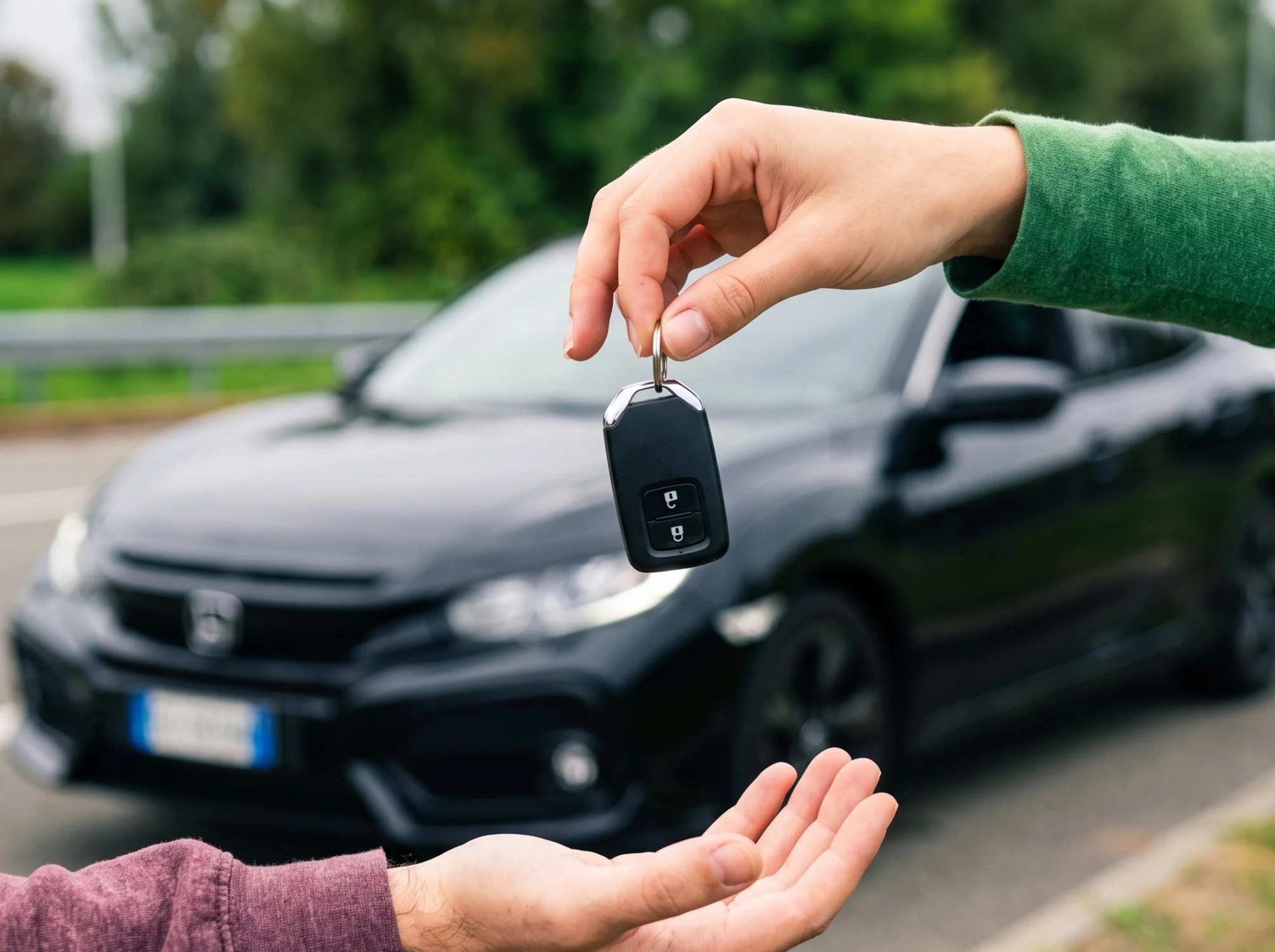
- Hand over keys, the spare key, the manual, service records and the toolkit.
Once the transfer is recorded, the liability moves with the car. That is the moment you are genuinely free of it.
A realistic timeline
On a prepared car, priced sensibly and answered promptly, most serious enquiries should come within the first week. The variable is not usually the price — it is preparation and responsiveness. A car that sells in three days was almost always sold on day one, by a seller who had already done these steps.
Your fast-sale checklist
- Car cleaned inside and out, polished, personal items removed
- Mechanic's check done; cooling, brakes, tyres and battery verified
- Fresh engine oil; service file complete
- Toolkit, spare tyre and wheel nuts all present and working
- Price researched against real listings; negotiable floor set in your head
- RC, token paid, CNIC copies, T.O. form, Form F and bank NOC (if financed) ready
- Ad posted with a strong hero photo; boosted for the first week
- Every enquiry answered the same day, ideally within the hour
- Viewings in a public place; test drive allowed
- Full payment collected before handover; transfer completed properly
Work through that list in order and you will sell sooner than most owners, and for a better price. If you want the deeper detail on any single step, start with our complete used-car selling guide.
Keeping yourself safe through the process matters too — read our safety tips before you meet anyone.